Higgs Healing
Reflexology and Reiki with Lillie

Reflexology and Reiki
Your treatment and FAQs
A brief history of Reflexology and Reiki.
Your treatment
Female clients only.
Treatments include a mixture of both Reflexology and Reiki ~ they compliment each other very well.
You can also opt for just one or the other.
These therapies promote relaxation and healing of your physical, mental, emotional and spiritual selves. The aim is to promote well-being and to address the underlying root imbalances which may be causing the symptoms, rather than focusing on the symptoms themselves.
Sessions last an hour. How many recommended sessions involves considering several factors and we can discuss during your first treatment.
In my experience, the gentle yet powerful combination of Reflexology and Reiki have helped with many issues such as migraines, poor quality sleep, low mood and energy levels, digestive problems, hormonal balancing, sinusitis and more.
Reflexology
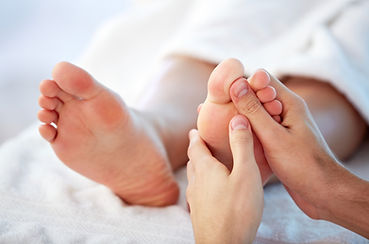
Reflexology involves massage of the feet or hands with a focus on applying pressure to specific points or 'reflexes'. The theory of Reflexology is that the hands and feet contain reflexes which relate to the organs, glands and systems of the body. Specific massage of these reflexes works to clear energetic blocks and encourages the body to heal itself.
Reiki
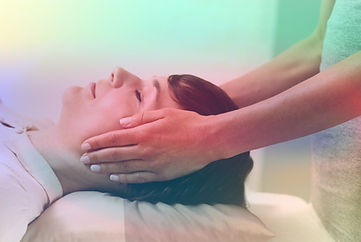
Reiki is a form of hands-on healing which works to bring balance and harmony to your mind, body and spirit. Reiki is channelled by the practitioner placing hands on or just above your clothed body to enable the 'life force' energy to flow.
FAQs
What are the benefits of treatments?
Benefits include reduction in stress, elimination of toxins, increased relaxation and energy and a feeling of well-being. It is advised you drink plenty of water afterwards to help the healing and detoxification process. Your body knows what it needs so listen to it - rest, hydrate and nourish yourself.
How will I feel during and after a treatment?
You will likely enter a deep state of relaxation during the treatment and may even fall asleep. It is normal to feel warmth, tingling or other similar sensations and some people even see colours behind closed eyes. After treatments, people often report that they feel relaxed or energised.
Building a treatment plan.
When you book your first treatment, you will be prompted to complete an initial consultation form as part of the booking process. During the first treatment we will work together to build a plan and decide how many treatments would be most effective e.g., a one off or a course of treatments.
Contraindications and cautions for Reflexology.
There are no known contraindications for Reiki. There are however contraindications and cautions for when Reflexology may not be suitable, as listed below. If you have any concerns it is advised you seek medical clearance before treatment. Please disclose any medical history or health conditions during the initial consultation or before the start of a treatment.
Circulatory Issues or Blood Clot Risk:
Conditions like deep vein thrombosis (DVT), varicose veins, or a history of blood clots require caution. Reflexology stimulates circulation, which could dislodge a clot and lead to serious complications.
Severe Foot Conditions or Injuries:
In cases of fractures, open wounds, infections (like athlete’s foot or cellulitis), or recent surgery on the feet or ankles, Reflexology should be avoided until fully healed.
Unstable Heart Conditions:
For those with serious heart conditions or pacemakers, Reflexology might not be advised, particularly if the condition is not well-managed.
Uncontrolled Diabetes:
Reflexology can improve circulation and reduce stress, but for those with uncontrolled diabetes, there’s a higher risk of complications, particularly with foot care.
Epilepsy:
Some therapists choose not to treat individuals with epilepsy, as Reflexology may in rare cases trigger a seizure due to deep relaxation or changes in nervous system activity.
Infectious Illnesses or Fever:
If you’re unwell with an infection or fever, it’s best to postpone your appointment. Reflexology may overstimulate the body when it’s already fighting off illness.
Pregnancy:
Reflexology is safe to have during pregnancy but caution is advised in the first trimester or where there is a history of unstable pregnancies.
History of Reflexology
Reflexology has been practiced for thousands of years with its roots in Ancient Egypt, India and China. A wall painting found in an Egyptian tomb suggests that the art of Reflexology was being used as long ago as 2350BC and has been developed through acupuncture and neurological studies in the 19th and 20th centuries. In the early 1900 Dr Fitzgerald developed zone therapy as he learned that the feet and hands contains reflexes which correspond to other parts of the body. Eunice Ingham was the founder of reflexology as we know it today and it is now a popular treatment throughout the world.
History of Reiki
The Reiki we know today was originated in Japan by Dr Mikao Usui. Dr.Usui taught and studied various forms of spiritual and healing arts and provided a place for people to receive healing for free or a token sum. It is said that he experienced a vision of the Reiki symbols on the top of Mount Kurama after a 21 day fast and meditation. After Usui died, his practice was taken up by one of his students, Dr. Hayashi and developed by Mrs. Takata who personally benefitted from the treatments.
Lillie Bellamy Reflexology & Reiki
